

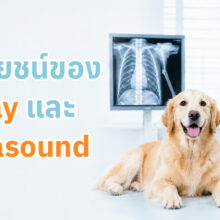
X-rays and ultrasounds are often used together to diagnose diseases, predict diseases, and monitor treatment results. This is because these techniques are easy to perform, do not take long, and are cost-effective. They help answer questions and find the cause of the disease accurately and in a timely manner. Therefore, they are widely used in our veterinary community. Benefits of X-rays X-rays help diagnose diseases and abnormalities of animal organs in every part of the body, including the head, body, chest, abdomen, and legs, from finding specific abnormalities such as broken leg bones, dislocated joints…

X-rays and ultrasounds are often used together to diagnose diseases, predict diseases, and monitor treatment results. This is because these techniques are easy to perform, do not take long, and are cost-effective. They help answer questions and find the cause of the disease accurately and in a timely manner. Therefore, they are widely used in our veterinary community. Benefits of X-rays X-rays help diagnose diseases and abnormalities of animal organs in every part of the body, including the head, body, chest, abdomen, and legs, from finding specific abnormalities such as broken leg bones, dislocated joints…

Have you ever noticed your cat losing weight or becoming excessively thin? Do you feel only bones when you touch them, or in very thin cases, they may even be weak? These are relatively common illnesses, and owners need to take their cat to a veterinarian for examination and treatment. The examination process includes: 1. A thorough history and physical examination of the cat. This begins with an examination of the mouth for inflammation of the gums, tongue, and tonsils, as inflammation in the mouth and throat can cause decreased appetite and weight loss. The external pharynx, where the thyroid gland is located, can be palpated for enlargement. A noticeable enlargement can indicate hyperthyroidism or thyroid toxicity. A preliminary palpation of the abdomen may also be performed to check for abnormal masses of size and shape, such as enlarged kidneys, intestines, or lymph nodes. 2. Laboratory tests. These include blood tests to count various blood cells (white blood cells, red blood cells), hormone levels (such as thyroid hormones), liver and kidney function tests, and urinalysis to assess kidney function…
Cancer can occur in dogs and cats of all breeds. If the owner finds an abnormality, such as an abnormally growing lump in the pet, an X-ray or ultrasound is necessary to evaluate the results, including examining by puncturing the cells to make sure that it is not malignant. Therefore, the pet should be brought in for a health check-up regularly. If detected early, the chances of a cure are much higher. Symptoms 1. There is a tumor that expands or takes up more space, growing larger and larger, located on the skin or abdomen. 2. There is a wound that does not heal no matter how much treatment is given, such as various kinds of pockmarked wounds. 3. The intestines and stomach do not function normally, such as not contracting or contracting too much, causing irregular bowel movements. 4.…

Cancer can occur in both dogs and cats of all breeds. If owners notice any abnormalities, such as an abnormally growing mass in their pet, X-rays or ultrasounds are necessary for evaluation. A biopsy is also required to ensure it's not malignant. Therefore, regular health checkups for your pet are crucial. Early detection significantly increases the chances of a successful treatment. Symptoms include: 1. A tumor that grows larger or expands, often located on the skin or in the abdominal cavity. 2. Non-healing sores, such as ulcers. 3. Abnormal bowel and gastric function…

How is sterilization in dogs good?