


High blood pressure in dogs is a problem that many owners tend to be careless about, not thinking that it is dangerous. This is because the severity of this condition will not occur to the dog's life immediately. Instead, the damage will gradually occur to various organs, such as the kidneys, heart, and nervous system. If the blood pressure is high for a long time, it can cause various complications in many systems. Although this condition is mostly found in dogs that are old or overweight, we, as owners, should not be complacent. Let's understand this disease to prevent dangers that can be fatal to our dogs. High blood pressure in dogs occurs when dogs have continuously high blood pressure in their arteries. The cause may be that the dog has high blood pressure directly through genetics or another disease that causes high blood pressure. When dogs have this condition for a long time, it mostly affects various systems in the dog's body, including the heart...

Have any of these events ever happened to our pets? Our dogs and cats have symptoms of being unable to stand up, head spinning, rolling, head tilting, eye twitching, vomiting, all of which occur suddenly. When dogs and cats have these symptoms, the first thing that owners often wonder is whether the pet has eaten poison or is having a seizure. The answer is that these symptoms are not seizures, but are a group of symptoms of loss of balance. The cause is from lesions in the brain and lesions outside the brain. Lesions in the brain include brain tumors, meningitis, cerebrovascular disease. Lesions outside the brain include otitis, tumors in the ear canal, thyroid, or unknown causes in elderly dogs and cats…

Blood is an important component in the body that allows animals to live normally. But when dogs and cats have anemia, which means the amount of red blood cells and hemoglobin in the body decreases, it causes less oxygen to be transported to nourish the cells in the body. This affects the functioning of the organs in the body, causing the dog and cat's body to show abnormal symptoms, such as fatigue, easy fatigue, loss of appetite. This anemia can also cause many other diseases. In order to prevent our pets from being harmed to life, let's understand anemia. Normally, red blood cells have the function of transporting oxygen from breathing into cells throughout the body, using "hemoglobin" and carrying waste in the form of carbon dioxide out of the cells to be eliminated from the body.

Choosing a healthy rabbit makes it easier to care for it, but how do you know which rabbits are healthy? Let's take a look at the rabbit selection guide.

Choosing a healthy rabbit makes it easier to care for it, but how do you know which rabbits are healthy? Let's take a look at the rabbit selection guide.

Hip dysplasia is a common disease in dogs of all breeds. It is caused by abnormalities in the hip joints, which eventually lead to degeneration of the joints.

Hip dysplasia is a common disease in dogs of all breeds. It is caused by abnormalities in the hip joints, which eventually lead to degeneration of the joints.

The pancreas plays a vital role in producing digestive enzymes, with ducts opening into the small intestine. It also produces insulin and glucagon, crucial for regulating sugar metabolism. Pancreatitis is related to impaired digestive enzyme production. Pancreatitis is a severe inflammation of the pancreas, a key organ in digestion, and is often a result of poor diet in dogs. Therefore, it's important to avoid feeding dogs high-fat or unbalanced foods. Predisposing factors for pancreatitis include: – Certain medications, such as sulfonamides or chemotherapy like azathioprine – Obesity and lipid metabolism disorders – High blood lipid levels (hyperlipidemia) –…

Dog owners often worry about whether to neuter their dogs due to fears about possible side effects. But neutering can have more positive effects on dogs than many people realize.
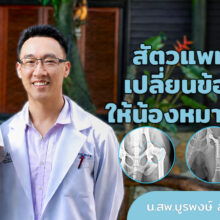
Canine Hip Replacement Surgery: Advances in Dog Treatment for Improved Quality of Life. Hip dysplasia is a common disease in all dog breeds, ages, and sexes. Symptoms include difficulty walking, limping, dragging legs, and in some cases, bunny-hopping. In severe cases, dogs may stop walking altogether. Prolonged inability to walk can lead to muscle atrophy and permanent disability. The disease is often hereditary, present from birth. [Images of pre-operative and post-operative x-rays are included.] At what age should dogs be screened for hip dysplasia?