


The heart is the most important organ in the body of dogs and cats. However, most dog and cat owners do not know that they can also have heart disease, and may neglect some symptoms that occur. In fact, to see if your pet has heart disease or not, just looking at the initial symptoms with the naked eye may not be clear. Because heart disease can be both symptomatic and asymptomatic, many owners may wonder how we can know if our pets are starting to have heart disease. Therefore, let's understand heart disease in dogs and cats before it is too late. Factors affecting heart disease in dogs and cats Age is divided into congenital heart disease, which is often found in dogs less than 1 year old, and heart disease that occurs later in life, which is often found in dogs aged 6 years and older. Breed Large dogs are often found to have heart disease problems from enlarged heart chambers, while small dogs are often found to have heart valve leaks or heart valves that do not close properly.
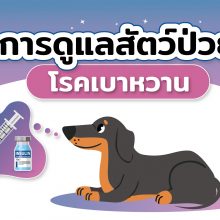
Dogs and cats can also get diabetes. As owners, we must take care of them in order to keep them as healthy as possible, including food and insulin injection methods.

Dogs have enlarged breasts, a large belly, and milk is flowing. Are you sure your dog is really pregnant and not a false pregnancy? Let's learn about false pregnancy in dogs.

If you want to start raising a cat, what do you need to prepare?

During the rainy season, dogs can easily suffer from health problems. Let's get to know 5 serious diseases in dogs that come with the rainy season that we should be careful of.

Poisoning an animal can be an unexpected event. Let's look at 6 things to do if you find an animal poisoned so you can get it treated promptly.

Feeding fresh food like BARF is becoming more popular among dog owners. Let's learn about BARF feeding.
It is a gland located beside the anus of dogs and cats in the same line on both the left and right sides. This anal gland is responsible for producing the dog's unique scent.
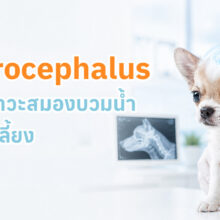
The abnormality found is that the dog's head is abnormally large in comparison to its body size, which is caused by cerebral edema, when fluid cannot drain from the central nervous system, causing more fluid to accumulate in the ventricles of the brain than normal.

If your dog walks with his legs raised, walks strangely, or cries in pain when held, you should quickly take him to see a doctor because he may have “patellar dislocation.”