


Vaccinating cats is very important because it is another option to help prevent diseases in cats and also reduces the chances of getting contagious diseases.

Hip dysplasia is a common disease in dogs of all breeds. It is caused by abnormalities in the hip joints, which eventually lead to degeneration of the joints.

Hip dysplasia is a common disease in dogs of all breeds. It is caused by abnormalities in the hip joints, which eventually lead to degeneration of the joints.

Feline paralysis is caused by a blood clot blocking a major artery. Symptoms include the cat suddenly not using its hind legs, eating less or not eating at all, breathing quite rapidly, and leaking urine or not urinating. It can occur in cats of all ages, but it is more common in young cats with no history of accidents or poisoning.

Signs that your rabbit may be sick require careful observation and attention. If your rabbit exhibits any of the following unusual symptoms, take it to a veterinarian immediately. Here are 5 signs your rabbit might be sick: 1. Lethargy, weakness, and decreased food intake: Almost all sick rabbits exhibit these symptoms. Early detection is crucial; owners should regularly monitor their rabbit's food and water intake. 2. Absent stool, irregular or uneven stool, or insufficient quantity: Rabbit gastrointestinal stasis (RGIS) is a condition that often occurs after a rabbit stops eating…

How important is pre-operative health check for your pet? The health check is divided into general physical examination and laboratory examination. General physical examination includes looking at the color of the mucous membranes, palpation, listening to the lungs, listening to the sound and rhythm of the heart, and feeling the pulse. Laboratory examination includes a complete blood count (measuring the level of red blood cells/white blood cells/platelets), blood test to check liver and kidney function, and blood electrolyte test (especially in emergency surgery, such as …

The eyes are a vital organ in both dogs and cats. Healthy, bright eyes indicate good eye health and should not be neglected. If you notice any abnormalities in the eyes, consult a veterinarian immediately. Symptoms include: 1. Discharge, soreness, redness, or abnormal whiteness in the eye. 2. Decreased vision. 3. Foreign objects or growths in the eye. 4. For pets approximately 6 months to 1 year old, check for breed-specific diseases…
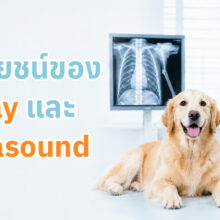
X-rays and ultrasounds are often used together to diagnose diseases, predict diseases, and monitor treatment results. This is because these techniques are easy to perform, do not take long, and are cost-effective. They help answer questions and find the cause of the disease accurately and in a timely manner. Therefore, they are widely used in our veterinary community. Benefits of X-rays X-rays help diagnose diseases and abnormalities of animal organs in every part of the body, including the head, body, chest, abdomen, and legs, from finding specific abnormalities such as broken leg bones, dislocated joints…

Chronic kidney disease is a common condition in dogs and cats, especially in older animals. The most important management in this condition is proper dietary management, such as limiting protein and certain minerals, supplementing with vitamins and essential fatty acids. Before the veterinarian manages the animal's diet, a physical examination should be performed to see if it is overweight or underweight, how much muscle mass it has, and an assessment of the severity of the kidney disease, such as blood tests and kidney ultrasounds. After the physical examination, the animal's diet can be managed, controlling the amount of certain minerals that affect the kidneys, such as phosphorus, sodium, and potassium. The animal should also be fed with an appropriate amount of protein, not too much or too little, because too little will make the animal's body's performance worse and it will become thin. Alternatively, certain vitamins can be supplemented, such as vitamin B, essential fatty acids, such as...

Rabies, a Danger Closer Than You Think Rabies, a Danger Closer Than You Think It's time for us to understand more about this disease so that we can safely cope and help stop the spread of rabies. Rabies is caused by the Rabies virus (pronounced Rabies) that destroys the central nervous system, causing madness. The rabies virus is spread through the saliva of animals that are carriers of the disease through a bite, making the disease contagious to humans and other animals. After being infected, symptoms will appear within 21 to 60 days. This virus is destroyed by heat, sunlight, and dryness. It is also easily destroyed by soap and water and common disinfectants...